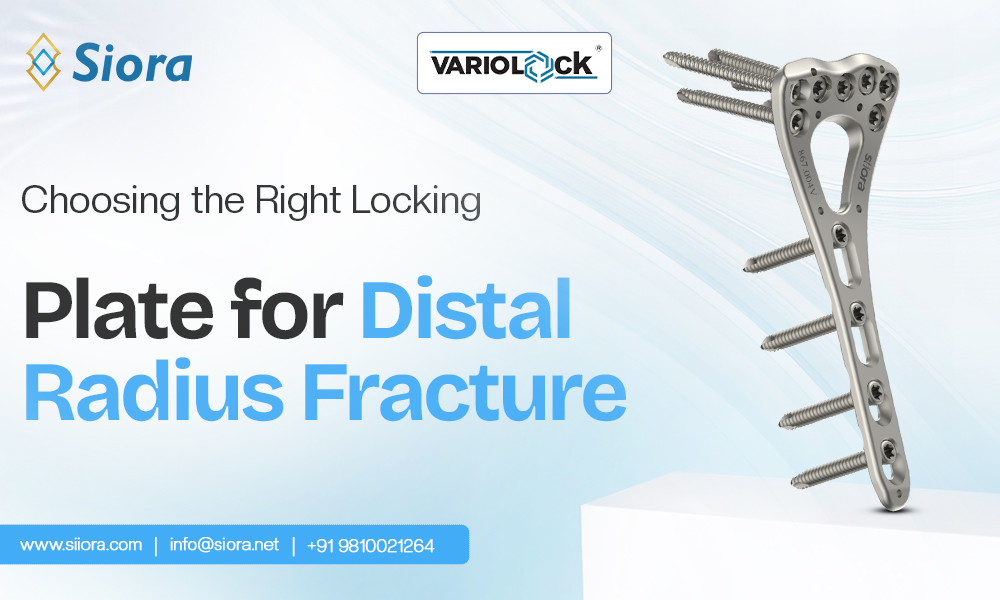
A distal radius fracture, commonly known as a wrist fracture, is among the most frequently encountered orthopedic injuries worldwide. These fractures can occur due to falls, sports injuries, road accidents, or age-related bone weakness. While many fractures can be treated conservatively, unstable or complex cases often require surgical fixation. Locking plates have emerged as a preferred treatment option because they provide excellent stability and support early mobilization.
However, selecting the right locking plate is crucial for achieving optimal clinical outcomes. Surgeons must consider several factors before making a choice.
Understanding Distal Radius Locking Plates
Locking plates are specially designed implants that secure fractured bone fragments using locking screws. Unlike conventional plating systems, these plates create a fixed-angle construct, offering superior stability even in osteoporotic bones.
Available in various configurations, distal radius locking plates are intended to address different fracture patterns and patient-specific requirements. Proper implant selection plays a significant role in restoring wrist anatomy and function.
Evaluate the Fracture Pattern First
The nature and complexity of the fracture largely determine the type of plate required.
Simple extra-articular fractures may be effectively managed with standard volar locking plates. On the other hand, intra-articular fractures involving multiple fragments often demand anatomically contoured plates with multiple screw options for better fragment capture.
In cases involving severe comminution, plates offering variable-angle locking technology can provide additional flexibility in screw placement, allowing surgeons to target smaller fragments more accurately.
Consider Volar vs. Dorsal Plate Placement
Most distal radius fractures are treated using volar locking plates because they offer several advantages, including reduced tendon irritation and easier surgical access.
Volar Locking Plates
- Widely used for the majority of distal radius fractures.
- Minimize the risk of extensor tendon complications.
- Allow early wrist mobilization in many cases.
Dorsal Locking Plates
- Preferred in select fracture patterns involving significant dorsal comminution.
- Useful when dorsal fragment support is necessary.
- Require careful placement to reduce soft tissue irritation.
Choosing between these approaches depends on fracture characteristics and the surgeon’s clinical assessment.
Importance of Plate Design and Anatomy
Modern locking plates are anatomically pre-contoured to match the natural shape of the distal radius. A well-designed plate ensures an accurate fit, minimizes soft tissue irritation, and reduces the need for extensive intraoperative contouring.
When selecting a plate, surgeons should look for features such as:
- Low-profile design to reduce tendon irritation.
- Multiple distal screw holes for enhanced fixation.
- Smooth edges for improved soft tissue compatibility.
- Availability in different sizes for varied patient anatomies.
These design elements contribute significantly to surgical efficiency and patient comfort.
Bone Quality Should Not Be Overlooked
Patient bone quality is another important consideration. Elderly individuals or patients with osteoporosis often present unique challenges during fracture fixation.
Locking plate systems are particularly beneficial in osteoporotic bone because the screw-plate interface creates a stable construct without relying solely on bone purchase. Nevertheless, selecting plates specifically engineered for poor bone quality can further improve fixation strength and reduce the risk of implant failure.
Surgeon Experience and Implant Quality Matter
The surgeon’s familiarity with a particular plating system also influences treatment outcomes. Consistent use of reliable, high-quality implants often leads to greater surgical confidence and predictable results.
Manufacturers offering precision-engineered plates, comprehensive instrumentation, and stringent quality standards can help ensure procedural success and long-term patient satisfaction.
Final Thoughts
Choosing the right locking plate for a distal radius fracture is not simply about selecting an orthopedic implant from the shelf. It requires careful evaluation of fracture configuration, bone quality, anatomical considerations, and surgical objectives. A thoughtfully chosen locking plate can facilitate stable fixation, promote early rehabilitation, and ultimately help patients regain wrist function more effectively.

